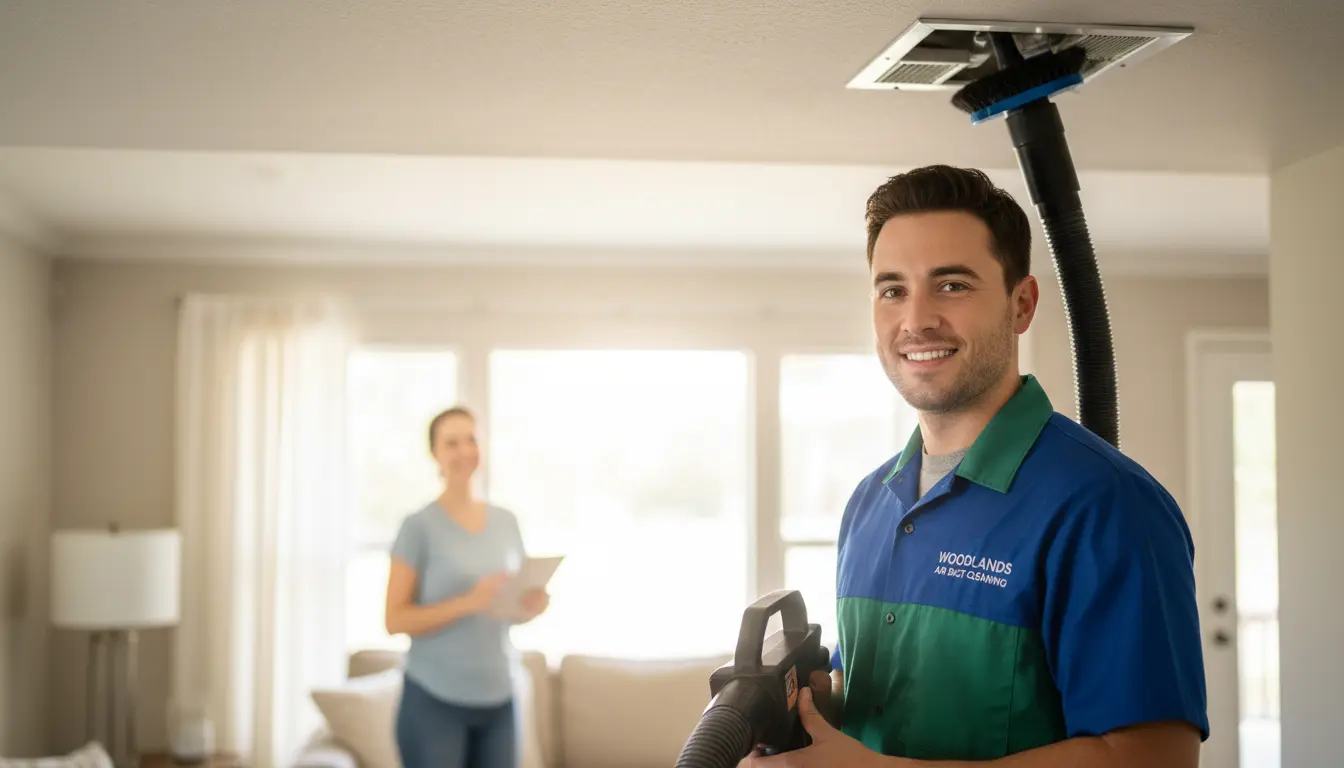
As I stepped into the home of a concerned homeowner in The Woodlands, Texas, I was immediately struck by the musty smell that filled the air. The homeowner had recently had their HVAC system cleaned, but instead of the expected improvement in air quality, they were now experiencing strange whistling and rattling noises coming from the vents. This scenario is not uncommon, and as a Certified Senior HVAC & IAQ Expert, I have seen many cases where amateur air duct sweeping has led to unexpected mechanical and acoustic issues.
The primary reason for these strange noises is often due to the cleaning process itself. When an HVAC system is serviced, the ducts and vents are accessed using mechanical agitation equipment. However, if the service is not executed properly, it can lead to a range of technical problems, including loosened slip-and-drive connections, torn flexible duct liners, unbalanced dampers, and even the introduction of new dust into the air stream. In The Woodlands, Texas, where ambient humidity levels routinely peak, it is crucial to ensure that the cleaning process is done correctly to keep moisture from condensing inside compromised lines and sparking mold growth.
In this article, we will explore why your HVAC system may be making strange noises after a cleaning session, and how to prevent these problems from happening. We will also discuss why proper mechanical inspection is essential for protecting the longevity and performance of your home air grid.
Understanding the HVAC System Cleaning Process
A certified HVAC system cleaning involves a precise combination of physical containment, negative air pressure loops, and direct source extraction. The goal is to safely pull out deep-seated dust reservoirs, dander, and fungal spores without letting them escape into your rooms. However, when untrained technicians use aggressive, oversized brushes or lack adequate negative air tools, they can rattle duct seams loose or knock directional air dampers out of alignment, creating loud vibrations and high-pitched air whistles.
In The Woodlands, Texas, local climate factors make proper system containment vital. High-velocity truck-mounted vacuum collectors must maintain a continuous static draw to pull debris directly out of the property. Concurrently, utilizing EPA-registered sanitizers or green-certified microbial inhibitors helps treat underlying surface spores safely. To see a detailed, step-by-step breakdown of how a certified physical source removal preserves system components, look over our ultimate guide to air duct cleaning for TX homes.
Common Issues That Can Arise After HVAC System Cleaning
Several common mechanical issues can crop up after an aggressive or amateur duct cleaning:
- Loose Slip-and-Drive Connections: Rigid sheet metal trunk lines are joined by metallic slips. Heavy, unmanaged mechanical whips can dislodge these joints, creating air leaks and a distinct rattling or ticking noise.
- Punctured Flexible Liners: Many Texas homes utilize flexible plastic ductwork. Using inappropriate retail-grade equipment or harsh wire brushes can pierce these inner walls, causing air to hiss loudly into attics or crawlspaces.
- Dislodged Damper Blades: Internal balancing dampers control room-to-room airflow. If an uncertified sweep knocks a damper loose, the blade can flutter rapidly against the duct lining when the blower motor runs.
To prevent these acoustic and structural problems, homeowners should partner with trusted local service groups who utilize calibrated residential duct cleaning equipment and specialized furnace duct cleaning tools. Proper execution ensures that every register boot and main line connection remains airtight and structurally secure when the job is wrapped up.
The Importance of Proper HVAC System Inspection and Maintenance
Routine inspection and technical maintenance are vital for maximizing system efficiency and avoiding unexpected repair bills. This includes executing thorough pre-cleaning camera inspections, examining blower motor housings, and assessing cooling coils. In areas dealing with heavy coastal humidity, unmanaged dust buildup on damp evaporator coils acts as an insulation blanket, causing system short-cycling and skyrocketing utility bills.
To maximize the returns on your mechanical system maintenance, keep these advanced professional parameters in mind:
- Monitor MERV Ratings: Utilizing an optimized filter efficiency level captures fine particulates before they settle into distribution plenums, without straining the blower’s static capacity.
- Check Plenum Seals for Thermal Loss: Inspecting and sealing gaps in the main distribution boxes prevents ambient unconditioned air from entering your duct system and overloading coils.
- Manage Humidity and Material Integrity: Keeping indoor moisture levels balanced protects structural duct boards from degrading and eliminates the catalyst for mold growth.
For commercial environments or larger multi-zone properties, following strict quality parameters prevents cross-contamination between zones. To study how certified source removal preserves equipment capacity over time, explore the top 7 benefits of professional air duct cleaning. If you are comparing professional source extraction with consumer shop vac limits, see our report on DIY vs pro air duct cleaning what TX residents need.
Frequently Asked Questions
The best way to clean your system is to use certified source removal under continuous negative pressure. This process isolates the ventilation lines with physical barriers, drops the entire network into a vacuum loop, and extracts all dislodged dust directly into multi-stage HEPA filters, rather than blowing it into your home. For quick maintenance improvements you can handle yourself, see our essential duct cleaning tips.
Most residential systems operate reliably when professionally decontaminated every 2 to 5 years. However, factors like high pet dander, indoor smoking, or recent structural remodeling can accelerate dust buildup. To see if your home is due for a checkup, read our list of 5 signs your air ducts need cleaning in The Woodlands.
Professional cleaning removes insulating dust layers from cooling coils, lowers monthly utility consumption by optimizing airflow velocity, and eliminates airborne triggers that worsen asthma and respiratory allergies. For an overview of regional air quality trends, see our study on 8 shocking stats on indoor air quality in Texas.
No. Consumer shop vacuums lack the negative static pull required to safely clean deep distribution plenums. Attempting to clear duct paths without industrial tools can loosen joints and tear inner liners, leading to air leaks and loud vent noises. To explore why local equipment tuning matters for your home’s layout, review our guide on why local air duct cleaning matters.
Conclusion
In conclusion, strange noises after an HVAC system cleaning can be caused by loose connections, damaged lines, or shifted air dampers. To prevent these mechanical issues, the extraction process must be executed precisely, using calibrated tools and comprehensive system inspections. Lily Queen of Ductz provides certified source extraction treatments engineered to handle the specific layout requirements and environmental demands of Texas properties, including specialized allergen reduction cleaning and complete commercial duct cleaning packages.
Ready to restore your system’s performance and ensure your home ventilation is operating flawlessly? Visit our primary online storefront at Lily Queenofductz.Shop to check current booking slots or to connect with our field team today for a comprehensive on-site technical inspection.