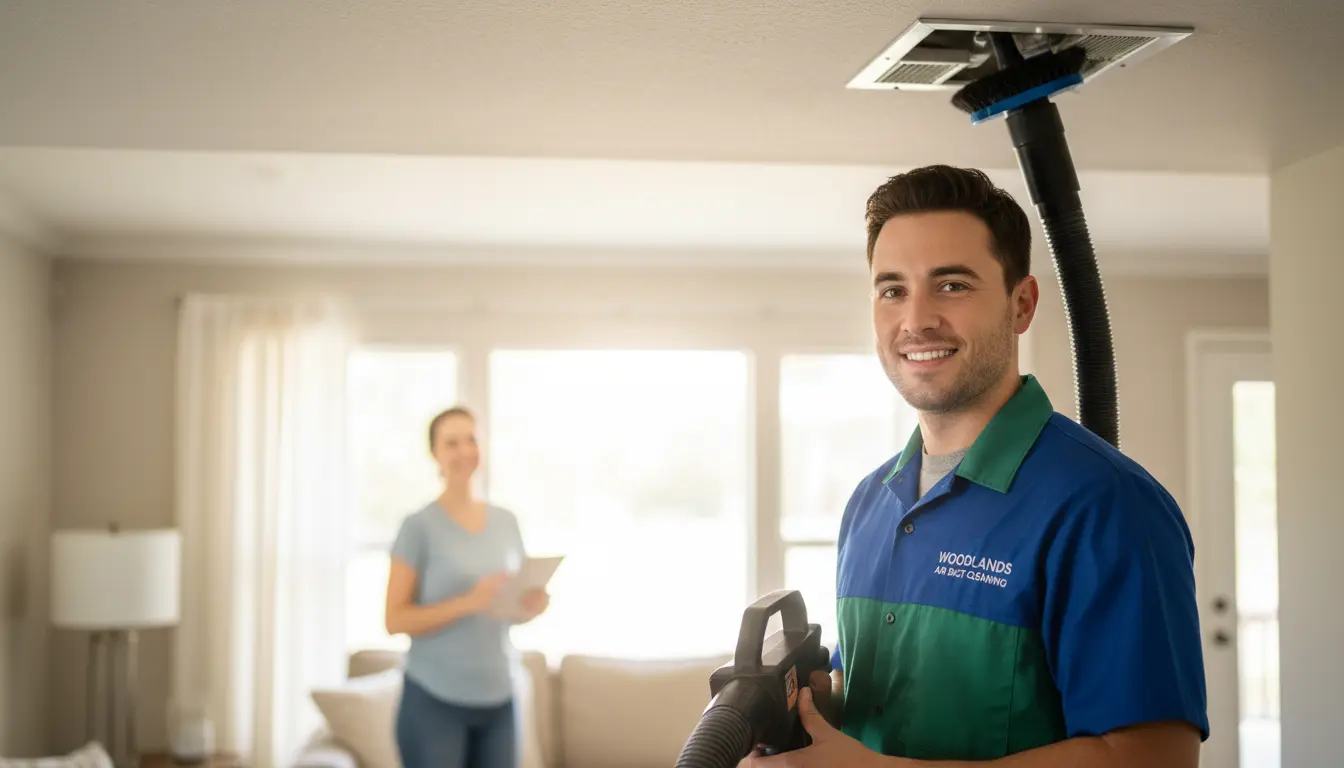
Air duct cleaning refers to the process of removing contaminants and debris from the air ducts in a heating, ventilation, and air conditioning (HVAC) system. It is often confused with simple vent cleaning, which only focuses on the visible grilles and registers rather than the entire infrastructure. In the context of indoor air quality, comprehensive duct extraction is a critical service that ensures the air circulating through a building remains free from micro-particles and active allergens. The state of Texas, widely recognized for its high summer humidity levels and brief, sharp dry spells, is particularly prone to moisture retention within central air loops, making regular mechanical remediation essential for property owners.
The importance of air duct cleaning in Texas cannot be overstated, especially when evaluating how the local climate impacts central HVAC operations. Persistent humidity forms a baseline environment where mold spores, mildew, and microbial colonies can establish themselves within hidden distribution lines, often aggravating respiratory sensitivities or conditions like asthma. Furthermore, the accumulation of fine dust and dander restricts designed system airflow, forcing blowers to operate longer, which triggers higher monthly energy consumption and accelerates mechanical components towards premature failure.
As a trusted regional provider of professional air duct cleaning services, Lily Queen of Ductz focuses on delivering full structural decontamination tailored to these exact environment patterns. By addressing accumulated debris through standardized mechanical extraction, homeowners and commercial operators realize significant improvements in baseline breathing safety, measurable drops in utility demand, and reliable extensions on system lifespans. For an in-depth breakdown of regional treatment methods, explore our ultimate guide to air duct cleaning for TX homes.
Technical Process of Air Duct Cleaning
A certified technical approach relies on structured containment, precise access control, and high-velocity debris extraction. The process initiates with the deployment of temporary physical barriers across registers to prevent dislodged particulate matter from migrating into finished rooms. Technicians then introduce a dedicated negative air machine to pull a continuous static vacuum loop through the target duct branch. This negative pressure barrier acts as a failsafe, ensuring all loosened material travels directly into specialized filtration machinery without escaping into living spaces.
Once negative air pressure is firmly established, technicians deploy mechanical agitation devices—including high-output pneumatic whips and custom-bristled brushes driven by compressed air systems—to strip away fine dust layers, pet hair, and fungal particles bound to internal duct liners. The dislodged material is drawn continuously down the trunk line into high-capacity, truck-mounted vacuum collectors. To understand the operational milestones achieved during an exhaustive system cleaning, review our summary detailing the top 7 benefits of professional air duct cleaning.
Data Comparison
Maintaining stable negative static boundaries during a cleaning ensures loose particulates do not escape back into active living zones. The comparison table below highlights how standardized source extraction processes perform against basic equipment setups:
| Feature/Metric | NADCA-Standard Source Removal | Amateur ‘Blow-and-Go’ Cleaning |
|---|---|---|
| Vacuum Capacity | High-capacity vacuum collectors engineered to sustain stable internal system negative draw loops. | Low-capacity retail shop vacs that drop operational static velocity across long trunk lines. |
| Debris Capture | Advanced multi-stage filtration systems capable of isolating microscopic dust spores down to 0.3 microns with 99.97% efficiency. | Low-efficiency filter elements that frequently bypass fine dust, venting fine particles directly back into the building. |
| System Protection | Specialized agitation tools and calibrated containment barriers utilized to prevent damage to delicate internal seams. | No formal protection protocols, creating an elevated risk of tearing flexible duct lines or puncturing insulation. |
Source: NADCA ACR Standard for Assessment, Cleaning, and Restoration
Expert Insights
As a certified senior HVAC and IAQ expert, I emphasize that long-term indoor environmental management requires attention to mechanical variables beyond the duct walls themselves. Property owners should consistently monitor MERV ratings for filtration efficiency; utilizing an optimized filter profile ensures fine particulates are intercepted before they settle into distribution plenums. Additionally, examining plenum seals for thermal loss helps eliminate hidden air leaks and prevents ambient moisture from condensing inside the metal trunk tracks. Managing humidity’s impact on duct board integrity is equally crucial, as prolonged high moisture weakens fiberglass binders and supports fungal growth. To study how professional source management compares to consumer attempts, read our summary on DIY vs pro air duct cleaning what TX residents need.
Common mistakes made by property owners include attempting to clear lines using retail shop vacuums, which lack the pull required to clean beyond the register box, ignoring the blower motor housing during cleanings, and oversaturating filters with aftermarket retail sprays. These errors contribute to systemic cross-contamination and can trigger unexpected mechanical failures. For additional performance restoration tactics, check our resource covering essential duct cleaning tips.
Pricing
Technical pricing metrics correspond directly to total architectural footprints, equipment accessibility, and overall layout complexity. Reliable baseline options include:
- Per-supply-vent rates: $20-$50 per vent, tracking individual terminal registers throughout the building.
- Flat-fee main trunk line charges: $100-$300, targeting main supply plenums and return drops.
- Comprehensive whole-home system packages: $500-$1,500, offering complete care for multi-branch ventilation grids.
Final project costs are often influenced by specific structural conditions, such as restricted crawlspace access, multi-story line configurations, or the presence of independent air handling units that isolate zoned wings of a house. For an explicit overview of customized service rates, visit our dedicated residential duct cleaning index.
Safety and Standards
Field execution protocols must align with strict industry certifications, such as NADCA or ASCS designations, to safeguard building occupants. When microbial growth or deep organic staining is present on internal surfaces, technicians utilize EPA-registered sanitizers or green-certified microbial inhibitors to neutralize spores safely. These controlled applications are vital for protecting properties housing newborns, elderly residents, or individuals dealing with immune sensitivities. To review commercial guidelines or specialized configurations, see our comprehensive commercial duct cleaning criteria.
Frequently Asked Questions
Texas homes face a distinct combination of elevated coastal or regional humidity and persistent seasonal allergen movements. This mix allows fine dust to bind with internal moisture film inside duct paths, creating a template for mold and mildew growth. Source removal ensures your air lines stay clear, supporting clean airflow and peak system efficiency.
Most residential systems operate reliably when professionally decontaminated every 2 to 5 years. However, factors like high pet occupancy, indoor smoking, or recent structural remodeling can shorten this timeline. To monitor structural indicators on your property, read our checklist on 5 signs your air ducts need cleaning in The Woodlands.
Professional cleaning eliminates deep dust accumulations, lowers utility consumption by restoring nominal airflow, and protects the sensitive blower and coils from dust-blanket insulation. For an analysis of why localized environmental variables dictate specific cleaning approaches, explore our overview on why local air duct cleaning matters.
No. Consumer shop vacuums lack the negative static pressure needed to pull debris across long distribution runs, and unsealed cleaning attempts often push dust out through loose seams into your walls and living spaces.
Conclusion
In conclusion, air duct cleaning is a critical service that ensures the air circulating in a building is free from pollutants and allergens. Lily Queen of Ductz delivers certified source extraction treatments designed to handle the specific climate demands and architectural challenges of Texas properties. By choosing a verified service process, you ensure a significant improvement in indoor air quality, reduction in energy consumption, and long-term mechanical reliability for your entire central air configuration.
Ready to restore your system’s performance and ensure your home ventilation is operating flawlessly? Visit our primary online storefront at Lily Queenofductz.Shop to check current booking slots or to connect with our field team today for a comprehensive on-site technical inspection.