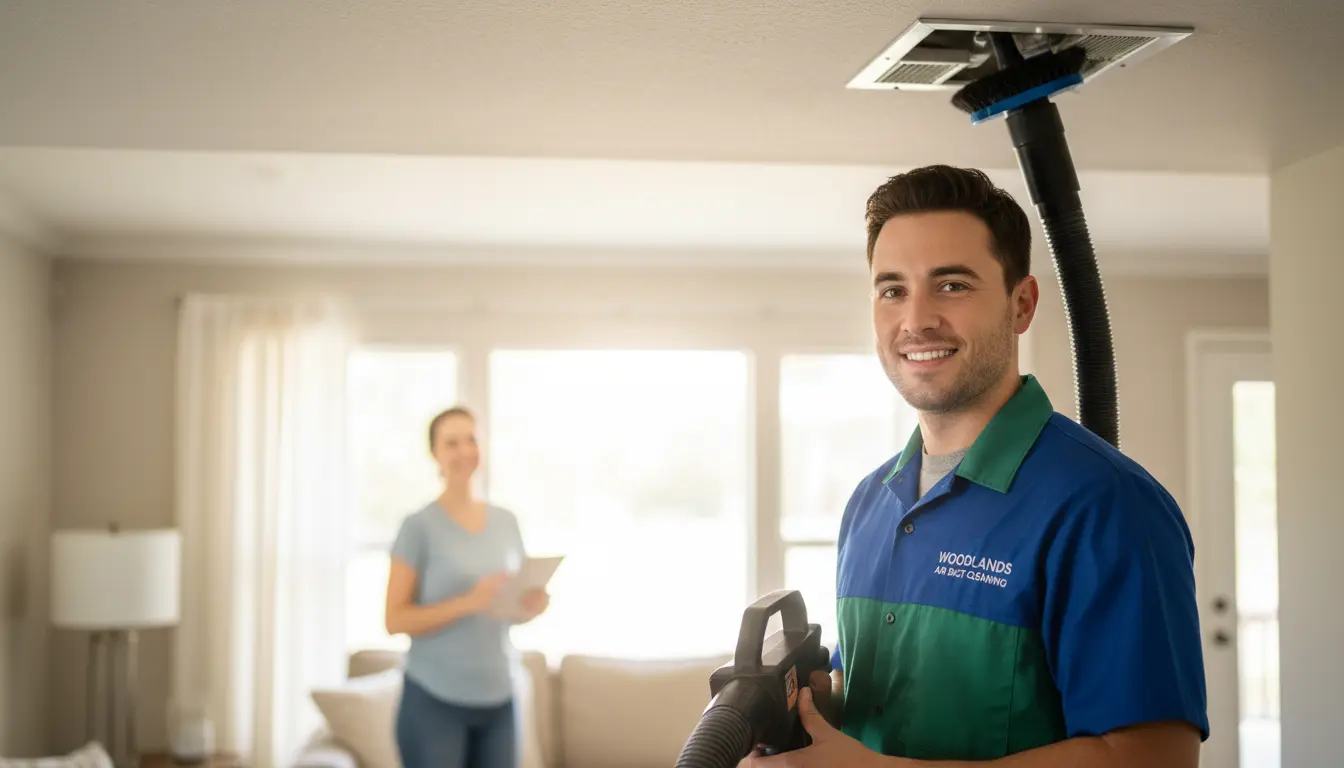
As a certified HVAC and IAQ expert, I’ve seen firsthand the impact of poor indoor air quality on residents in Texas, particularly in cities like Houston, where the humid climate can exacerbate the growth of mold and mildew in air ducts. One of my clients, a young family, had been experiencing frequent respiratory issues, which they later discovered were caused by the buildup of contaminants in their air ducts. This experience highlights the importance of professional air duct cleaning in maintaining good indoor air quality and preventing health issues. In Texas, where the climate is hot and humid, it’s essential to prioritize air duct cleaning to ensure the health and comfort of residents.
The concentration of airborne contaminants in Texas homes can be particularly high due to the state’s location in the southern United States, where pollen counts are high, and the humidity can lead to the growth of mold and mildew. Furthermore, the presence of dust, dirt, and other debris in air ducts can also reduce the efficiency of HVAC systems, leading to increased energy bills and a shorter lifespan for the equipment. Lily Queen of Ductz is a premier service provider in the area, offering professional mechanical system hygiene services to help mitigate these issues.
In the following sections, we’ll explore the differences between air duct cleaning and dryer vent cleaning, and discuss why professional air duct cleaning is essential for maintaining good indoor air quality and preventing health issues. We’ll also examine the technical process involved in air duct cleaning, including the tools and techniques used, and provide expert insights on how to maintain a healthy and efficient HVAC system.
Technical Process
The technical process involved in air duct cleaning is complex and requires specialized equipment and training. The process typically begins with a thorough inspection of the air ducts to identify any areas of concern, such as mold growth, dust buildup, or damage to the ducts. Next, the technician will set up containment equipment to prevent debris from spreading to other areas of the home, and then use specialized tools, such as pneumatic whips and truck-mounted vacuum collectors, to agitate and remove debris from the ducts.
The use of negative air pressure is also crucial in the air duct cleaning process, as it allows technicians to capture and contain debris, preventing it from becoming airborne and reducing the risk of cross-contamination. Additionally, antimicrobial fogging may be necessary in certain situations, such as when mold growth is present, to help eliminate microbial volatile organic compounds (MVOCs) and prevent future growth. For more information on the importance of professional air duct cleaning, visit our DIY vs Pro Air Duct Cleaning page.
Data Comparison Table
Maintaining true negative pressure containment prevents cross-contamination across active indoor zones. The table below compares verified technical removal methods against common baseline utility hookups:
| Feature/Metric | NADCA-Standard Source Removal | Amateur “Blow-and-Go” Cleaning |
|---|---|---|
| Vacuum Capacity | High-capacity truck-mounted vacuum collectors engineered to sustain continuous negative draw loops. | Low-capacity retail-grade shop vacs that drop operational static velocity across wide trunk lines. |
| Debris Capture | Advanced filtration systems capable of isolating microscopic dust spores down to 0.3 microns. | Basic filtration systems and minimal containment that leave fine particulates unmanaged. |
| System Protection | Specialized tools and techniques utilized to prevent structural component damage during agitation. | Minimal protection, with a high risk of tearing or puncturing flexible duct walls. |
Source: NADCA ACR Standard for Assessment, Cleaning, and Restoration
Expert Insights
As a certified HVAC and IAQ expert, I’ve seen the importance of proper air duct cleaning firsthand. Here are three advanced professional tips for maintaining a healthy and efficient HVAC system: monitoring MERV ratings for filtration efficiency, checking plenum seals for thermal loss, and evaluating the impact of humidity on duct board integrity. For more information on the benefits of professional air duct cleaning, visit our Top 7 Benefits of Professional Air Duct Cleaning page.
Common mistakes homeowners make when it comes to air duct cleaning include using retail-grade shop vacs, ignoring the blower motor housing, and oversaturating filters. These mistakes can lead to reduced system efficiency, increased energy bills, and even health issues. To avoid these mistakes, it’s essential to work with a professional service that offers comprehensive and customized source removal profiles matching your exact architectural needs.
Pricing
The cost of air duct cleaning can vary depending on several factors, including the size of the home, the number of air ducts, and the level of contamination. Key physical variables that influence your technical pricing estimate include:
- Presence of hazardous materials, such as vintage asbestos insulation surrounding trunk lines.
- Restricted crawlspace access or low attics, which can increase manual run times and setup difficulty.
- Number of independent air handling units, which dictates the overall complexity of structural zoning blocks.
For a comprehensive and customized system assessment, review our flat-rate and per-vent breakdown options directly on our dedicated Residential Duct Cleaning page.
Safety and Standards
When it comes to air duct cleaning, safety and standards are crucial. Field teams are committed to adhering to the highest standards of safety and quality, including NADCA and ASCS certifications, alongside the proper deployment of EPA-registered sanitizers and green-certified microbial inhibitors. Technicians are trained to follow strict containment protocols, including the use of specialized personal protective equipment, to prevent cross-contamination and ensure a completely pristine ventilation sweep.
Frequently Asked Questions
Air duct cleaning involves the source removal of dust and microbial debris from the main HVAC supply and return networks that circulate climate-controlled air. Dryer vent cleaning targets the dedicated independent exhaust run that channels heat and lint moisture away from your clothes dryer. For details on restoring exhaust safety, visit our Dryer Vent Cleaning page.
Generally, it’s recommended to have air ducts professionally cleaned every 2-5 years depending on pet numbers, regional allergy loads, and usage levels. For common household indicators that suggest your ventilation system requires attention, view our 5 Signs Your Air Ducts Need Cleaning checklist.
While it’s possible to vacuum individual registers yourself, deep system cleaning requires specialized heavy-duty negative air equipment and training. Improper consumer techniques can lead to reduced system efficiency, loosened dust blowing into rooms, and severe structural damage to inner duct layers.
Professional Air Duct Care in Texas
In conclusion, professional air duct cleaning is essential for maintaining good indoor air quality and preventing health issues in Texas. Lily Queen of Ductz provides certified source extraction treatments tailored directly to local environmental and architectural challenges. To view a complete summary of our structural ventilation services, check our primary Residential Duct Cleaning service page today to restore your cooling run’s efficiency.
Ready to restore your system’s performance and ensure your home ventilation is operating flawlessly? Visit our primary online storefront at Lily Queenofductz.Shop to check current booking slots or to connect with our field team today for a comprehensive on-site technical inspection.