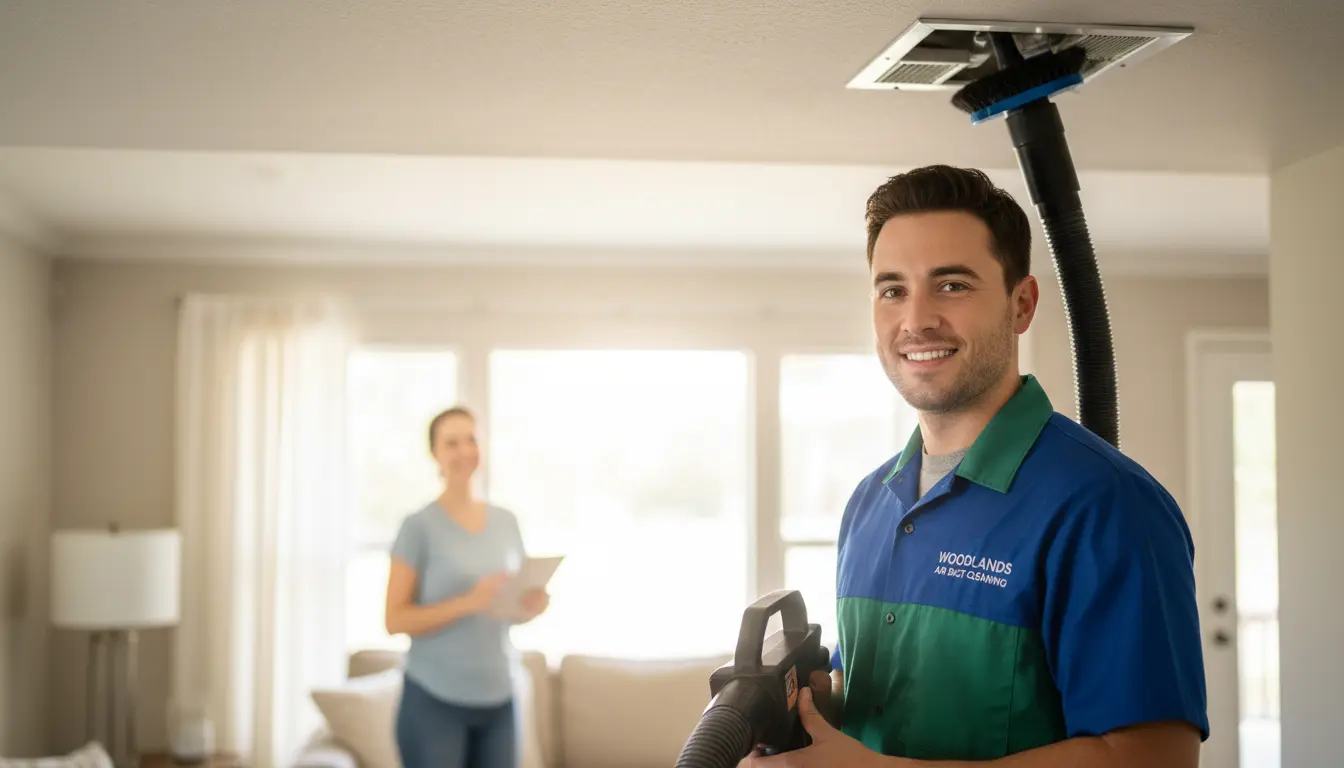
As the sun rises over the Texas landscape, the air inside many homes is filled with unseen pollutants, threatening the respiratory health of families and the longevity of their HVAC systems. In a state where the concentration of airborne contaminants can be particularly high due to seasonal humidity and regional particulate types, professional air duct cleaning services are not just a luxury, but a necessity. For instance, a homeowner might notice a significant decrease in indoor air quality during the spring, when pollen counts are high and humidity promotes the growth of mold and mildew in air ducts.
This is where professional care comes into play, offering a comprehensive solution to the complex issue of indoor air quality. With specialized expertise and state-of-the-art equipment, certified technicians can effectively remove contaminants from air ducts, improving the health and comfort of homes across the state. Moreover, services can be tailored to address specific local conditions, such as the common presence of agricultural dust in rural areas or the prevalence of coastal salt air in coastal regions.
One of the key benefits of professional air duct cleaning is the use of specialized tools and techniques, such as pneumatic whips and truck-mounted vacuum collectors, which can effectively remove debris and contaminants from air ducts. To understand our unique approach to targeting micro-particles and restoring internal pathways, you can look over our specialized resource on Allergen Reduction Cleaning.
Technical Process
The technical process of air duct cleaning involves several steps, including containment setup, system access, establishing negative pressure, mechanical agitation of debris, and final filtration. This process is crucial in ensuring that all contaminants are removed from the air ducts, and that the system is restored to its optimal functioning condition. For example, in a residential duct cleaning scenario, the technician may use a combination of pneumatic whips and vacuum collectors to remove debris from the ducts, while also taking care to protect the surrounding areas from dust and debris.
In addition to the technical process, it’s also important to consider the local variables that can affect the air duct cleaning process. For instance, the regional humidity in Texas can dictate the need for specialized antimicrobial fogging, while the architectural styles in different cities can influence duct accessibility. Moreover, the presence of hazardous materials like asbestos insulation in older homes may require specialized equipment and procedures to ensure safe removal.
Data Comparison Table
Utilizing high-powered collection machinery ensures thorough debris extraction without compromising your internal line seals. The table below outlines how standard source removal methods compare to amateur utility configurations:
| Feature/Metric | NADCA-Standard Source Removal | Amateur “Blow-and-Go” Cleaning |
|---|---|---|
| Vacuum Capacity | High; commercial truck-mounted extraction platforms draw continuous negative pressure. | Low; portable consumer utility vacuums drop suction power inside main trunk junctions. |
| Debris Capture | Effective; multi-stage filtration isolates microscopic spores and fine dust particles securely. | Ineffective; superficial wands often stir up or scatter loose particles back into living areas. |
| System Protection | Comprehensive; flexible pneumatic whip tools clear internal surfaces without scraping seams. | Limited; rigid components run a high risk of tearing fragile interior insulation sheets. |
Source: NADCA ACR Standard for Assessment, Cleaning, and Restoration
Expert Insights
As a certified senior HVAC and IAQ expert, I can provide several advanced professional tips for air duct cleaning. Firstly, it’s essential to monitor MERV ratings for filtration efficiency, as this can significantly impact the effectiveness of the air duct cleaning process. Secondly, checking plenum seals for thermal loss can help identify potential areas of improvement in the system. Finally, the impact of humidity on duct board integrity should not be underestimated, as this can lead to mold and mildew growth if left unchecked. Reviewing our operational layout for whole-home configurations within our Residential Duct Cleaning brief expands on how clean loops preserve system static pressures.
Common mistakes homeowners make when it comes to air duct cleaning include using retail-grade shop vacs, ignoring the blower motor housing, and oversaturating filters. These mistakes can lead to cross-contamination, mechanical failure, and a range of other issues that can compromise the effectiveness of the air duct cleaning process.
Furthermore, if your primary digital thermostat panel or smart climate monitoring interface experiences sudden communication drops, backlit flickering, or display freezes right after a high-velocity system cycle, reviewing standard smart tv troubleshooting layout schemas explains how high static charges combined with drifting fine dust settle over fragile logic boards and disrupt responsiveness. Keeping these vital electronic control nodes clean prevents sudden component malfunctions, just as an explicit power supply repair grid shields sensitive home infrastructure from unexpected main voltage irregularities.
Pricing
The cost of air duct cleaning services in Texas can vary depending on several factors, including the presence of hazardous materials, restricted crawlspace access, and the number of independent air handling units. Here are some realistic pricing structures:
- Per-supply-vent rates: $20-$50 per vent
- Flat-fee main trunk line charges: $100-$300
- Comprehensive whole-home system packages: $500-$1,500
It’s essential to note that these prices are only estimates, and the actual cost of air duct cleaning services may vary depending on the specific needs of the home and the service provider.
Safety and Standards
When it comes to air duct cleaning, safety and standards are of the utmost importance. This is why it’s essential to choose a service provider that is certified by a reputable organization, such as NADCA or ASCS. These certifications ensure that the service provider has the necessary training and equipment to perform the job safely and effectively. Additionally, the use of EPA-registered sanitizers or green-certified microbial inhibitors can provide an added layer of protection against harmful microorganisms.
Frequently Asked Questions
The most reliable method is standard source removal, which utilizes high-volume negative air pressure machinery and specialized mechanical whips to extract pollutants completely without releasing them into your rooms.
Generally, comprehensive cleanings are recommended every 3 to 5 years, though homes with shedding pets, active allergies, or recent renovations benefit from more frequent care cycles.
No, consumer shop vacuums do not possess the static pressure required to clear deep trunk extensions safely. Exploring our comparative brief on commercial safety guidelines within our Health Risks Of Dirty Air Ducts In Woodlands Homes overview details why commercial negative air machines are required.
Professional source removal eliminates deep dust accumulation, optimizes system volumetric airflow to help lower energy utility bills, removes persistent musty odors, and keeps circulating air cleaner.
Yes, field technicians use high-resolution flexible inspection scopes to examine internal seams safely, much like how a precise backlight replacement handles display module illumination layers without distorting the adjacent glass layout matrix panels.
Professional Air Duct Care in Texas
In conclusion, professional air duct cleaning is a crucial service for maintaining the health and comfort of homes in Texas. By choosing a reputable service provider and following the recommended guidelines, homeowners can ensure that their air ducts are clean, efficient, and safe. Lily Queen of Ductz supplies certified, fully compliant ventilation maintenance designed to optimize regional home climate efficiency. Explore our main digital storefront at Lily Queenofductz.Shop to check availability, or reach out via our Contact Us page to book an on-site system inspection today.