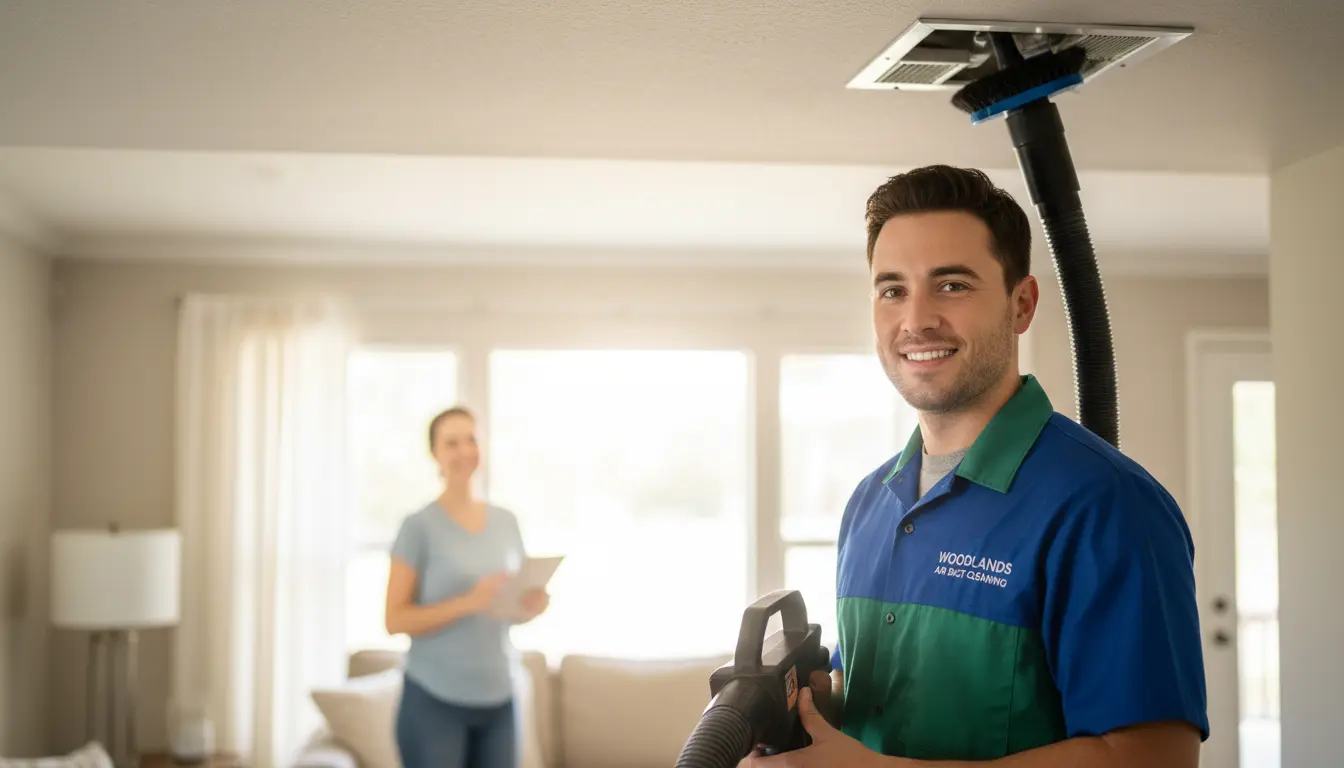
The term ‘musty smell’ is often used to describe a pungent, unpleasant odor that develops when an air conditioning system is turned on, particularly in Texas homes. This musty smell is typically caused by the growth of mold, mildew, or bacteria within the air duct system, and it’s essential to distinguish it from other types of odors, such as those resulting from dirty socks or burned food. The musty smell associated with air conditioning systems is often accompanied by a damp, earthy aroma and can be a sign of a more significant problem with the system’s hygiene and maintenance.
In Texas, where the climate is hot and humid for most of the year, the growth of microorganisms within air duct systems is a common issue. The high humidity creates an ideal environment for mold, mildew, and bacteria to thrive, leading to the development of musty smells when the air conditioning system is turned on. Furthermore, the concentration of airborne contaminants in Texas homes can be particularly high due to the presence of agricultural dust, industrial soot, and other local particulate types.
Professional mechanical system hygiene is critical for maintaining good indoor air quality and preventing the growth of microorganisms within air duct systems. In Texas, where the climate is particularly conducive to the growth of mold and mildew, it’s essential to have a reliable and trustworthy service provider to ensure the air duct system is clean and well-maintained. Lily Queen of Ductz stands out as an experienced choice in the region, delivering targeted solutions to extract accumulated particles and eliminate unpleasant odors at the source. For a detailed breakdown of local trends, feel free to look over our summary of 8 Shocking Stats On Indoor Air Quality In Texas.
Technical Process
The professional air duct cleaning workflow involves several steps, including containment setup, system access, establishing negative pressure, mechanical agitation of debris, and final filtration. The process begins with containment setup, where the air duct system is sealed off to prevent debris and contaminants from escaping into the living space. Next, the system is accessed, and negative pressure is established using a truck-mounted vacuum collector or a portable vacuum system.
Once negative pressure is established, mechanical agitation of debris is performed using pneumatic whips or other specialized tools. This step is crucial in dislodging debris and contaminants from the air duct surfaces, allowing for effective removal. The final step involves filtration, where the air is passed through a HEPA filter or other high-efficiency filter to remove any remaining contaminants. Clearing out these blockages allows balanced air movement through your primary cooling loops without putting unnecessary mechanical strain on the system blower fans.
Data Comparison Table
Selecting the proper cleaning method shields your interior ventilation lines from damage while ensuring complete contaminant extraction. The table below outlines how certified source removal stands up against superficial brush methods:
| Feature/Metric | NADCA-Standard Source Removal | Amateur ‘Blow-and-Go’ Cleaning |
|---|---|---|
| Vacuum Capacity | High-capacity vacuum collectors ensure sustained continuous airflow pull. | Low-capacity retail utility vacuums lose suction power inside long line junctions. |
| Debris Capture | Effective capture of microscopic spores and deep particulate matter layers. | Ineffective capture that frequently stirs up loose dust into active living spaces. |
| System Protection | Full structural protection using specialized flexible agitation extensions. | Potential damage to fragile internal insulation boards and flexible plastic joints. |
Source: NADCA ACR Standard for Assessment, Cleaning, and Restoration
Expert Insights
As a Certified Senior HVAC & IAQ Expert, I can provide several advanced professional tips for maintaining good indoor air quality and preventing the growth of microorganisms within air duct systems. Firstly, it’s essential to monitor MERV ratings for filtration efficiency, as this can help remove contaminants and debris from the air. Secondly, checking plenum seals for thermal loss can help prevent the growth of microorganisms by reducing the amount of moisture in the system. Finally, the impact of humidity on duct board integrity should not be underestimated, as high humidity can lead to the growth of mold and mildew. Reviewing our resource covering the Top 7 Benefits Of Professional Air Duct Cleaning clarifies how professional solutions extend equipment service life.
Common mistakes homeowners make when it comes to air duct cleaning include using retail-grade shop vacs, ignoring the blower motor housing, and oversaturating filters. These mistakes can lead to cross-contamination, mechanical failure, and other issues that can compromise indoor air quality.
Furthermore, if your primary digital thermostat interface or home automation monitoring hub experiences sudden communication lag, incorrect readings, or control panel blackouts after a heavy system cycles, reviewing standard smart tv troubleshooting diagnostic steps demonstrates how high humidity combined with drifting fine dust particles settles onto fragile micro-circuits, causing unexpected responsiveness issues. Keeping these electrical control paths clean prevents sudden signal failures, just as an explicit power supply repair protects sensitive logic arrays from localized voltage fluctuations.
Pricing
The cost of air duct cleaning can vary depending on several factors, including the presence of hazardous materials, restricted crawlspace access, and the number of independent air handling units. Some common baseline pricing configurations include an established rate per supply vent, fixed charges for main trunk lines, or bundle options for entire residential properties.
Safety & Standards
When it comes to air duct cleaning, safety and standards are paramount. It’s essential to reference specific certifications, such as NADCA or ASCS, and to follow safety protocols and use EPA-registered sanitizers or green-certified microbial inhibitors. These measures can help prevent the growth of microorganisms and ensure good indoor air quality.
Frequently Asked Questions
The safest and most thorough method is a full source-removal process conducted by licensed professionals utilizing high-volume negative air machines and mechanical whips that remove debris without tearing internal surfaces.
Most residential structures require a comprehensive cleaning every 2 to 5 years, depending on factors like pet ownership, localized allergies, and seasonal regional dust volumes. You can find more targeted guidance within our professional system overviews.
Professional cleaning removes deep-seated dust and microbial growth, improves total system airflow efficiency, eliminates persistent musty odors, and lowers monthly energy costs by reducing resistance on your blower assembly.
Standard household shop vacuums lack the negative pressure capacity to clear deep main lines, often causing fine dust to break loose and settle over your living spaces. Review our technical comparison on DIY Vs Pro Air Duct Cleaning What Tx Residents Need to see why specialized machinery is necessary.
Yes, trained technicians deploy high-definition inspection scopes to examine internal seams without causing tears, just as a specialized backlight replacement restores display clarity without putting pressure on adjacent glass matrix components.
Professional Air Duct Care in Texas
In conclusion, professional air duct cleaning is essential for maintaining good indoor air quality and preventing the growth of microorganisms within air duct systems. In Texas, where the climate is hot and humid, it’s particularly important to have a reliable and trustworthy service provider to ensure the air duct system is clean and well-maintained. Lily Queen of Ductz provides clean, structured, and certified ventilation maintenance tailored for regional properties. Reach out through our platform today to book an evaluation cycle.